








Blog
The psychology behind gambling understanding the thrill and its effects on the mind

The psychology behind gambling understanding the thrill and its effects on the mind
The Thrill of Gambling
The allure of gambling lies deeply embedded in the thrill it offers. For many, the excitement generated by placing a bet is akin to riding a roller coaster; the anticipation and adrenaline rush can be intoxicating. This rush is not only tied to winning money but also to the chance of hitting a jackpot. The unpredictability of outcomes amplifies the excitement, making the experience exhilarating. Such emotional highs are a powerful draw for gamblers, fostering a continuous cycle of engagement. Players often find themselves diving into a world where they can explore unique offerings, such as the mafia casino, which further enhances their gaming journey.
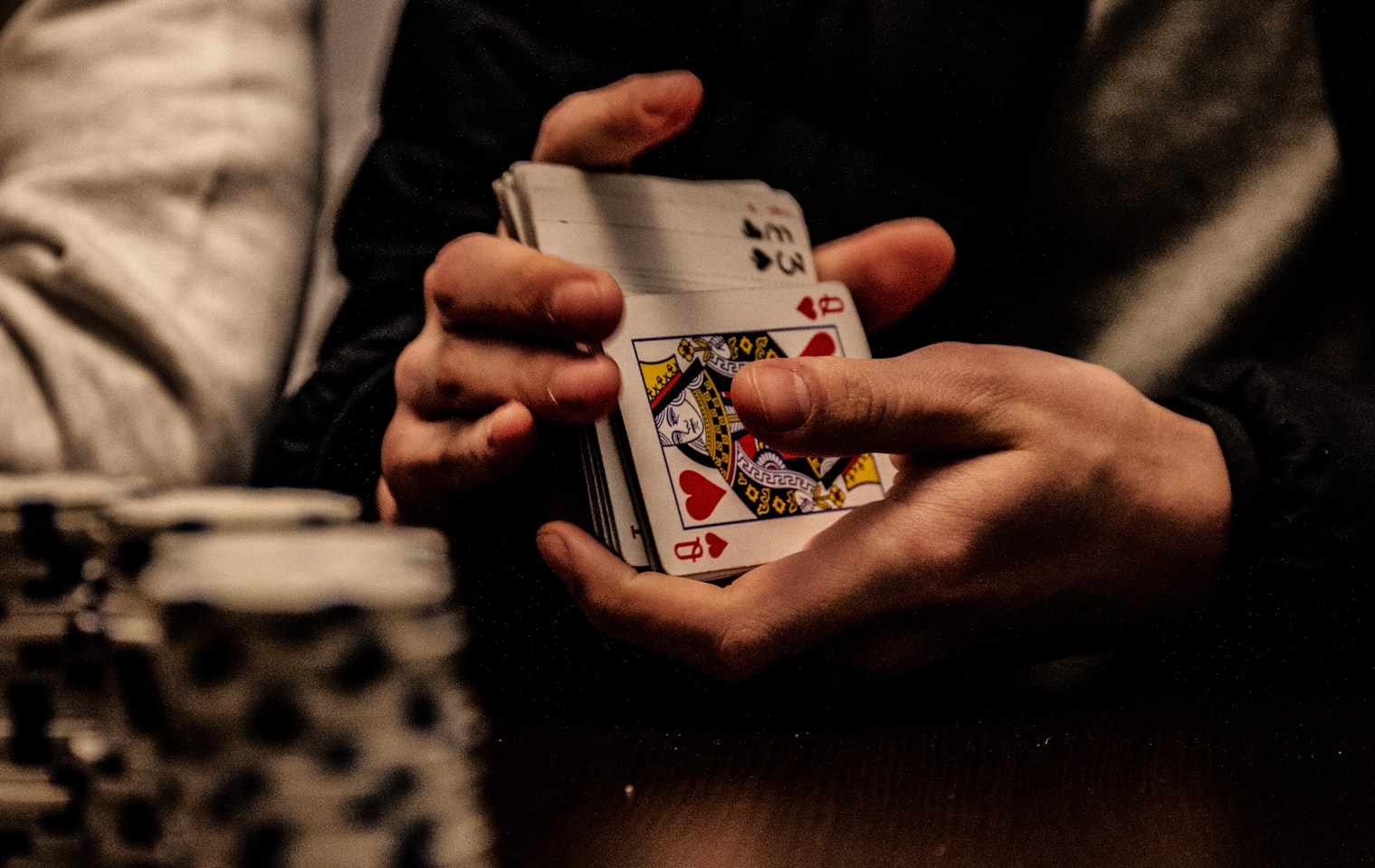
Moreover, the thrill is augmented by social dynamics. When people gamble in groups, the collective energy and excitement can enhance the experience. The camaraderie and shared anticipation create an environment that is both stimulating and rewarding. This social aspect often contributes to the phenomenon of “chasing losses,” where individuals may continue to gamble in the hopes of recapturing their earlier losses, driven by the promise of the next thrill. The socialization factor makes gambling a shared experience that can turn into a ritualistic practice among friends and acquaintances.
In addition to social factors, various psychological theories explain why individuals are drawn to the thrill of gambling. The concept of risk-taking is inherent in human nature, and gambling offers a structured way to engage with this aspect of personality. The excitement derived from the potential for significant gains against the backdrop of possible losses becomes a psychological dance, one that is tantalizing to many. Recognizing these factors helps us understand the complex relationship between individuals and gambling.
The psychological mechanisms driving gambling behavior are multifaceted and intricate. One key component is the brain’s reward system, which responds to potential rewards by releasing neurotransmitters like dopamine. This biological reaction creates a sense of pleasure, reinforcing the desire to gamble again. When a person wins, the brain’s reward pathways are activated, leading to feelings of euphoria that can overshadow the consequences of loss. Over time, this can develop into a compulsion, making it difficult for individuals to control their gambling behavior.
Another crucial factor is cognitive distortions, such as the illusion of control. Many gamblers believe they can influence outcomes, especially in games involving skill. This false sense of control can lead to increased gambling, as individuals may feel empowered and convinced that they can beat the odds. This cognitive bias is often seen in poker players who think their strategies will guarantee wins, ignoring the inherent randomness in gambling.
Lastly, emotional factors play a significant role. Many individuals turn to gambling as an escape from stress, anxiety, or boredom. In such cases, gambling serves as a coping mechanism, providing a temporary distraction from life’s challenges. However, this reliance on gambling for emotional relief can lead to problematic behavior, resulting in a cycle of escapism that is hard to break. Understanding these psychological mechanisms is essential for addressing gambling addiction and helping individuals regain control over their lives.
The environment in which an individual gambles plays a significant role in their overall experience and behavior. Cultural perspectives on gambling can shape how people view the activity. In some cultures, gambling is celebrated and integrated into social customs, while in others, it may be stigmatized. These cultural attitudes can significantly influence an individual’s likelihood of engaging in gambling and their overall approach to risk.
For instance, in countries where gambling is widely accepted, casinos are often extravagant and marketed as entertainment hubs. This accessibility can normalize gambling, making it easier for people to participate. Conversely, in cultures where gambling is frowned upon, individuals may feel guilt or shame, leading them to hide their activities. Such societal pressures can contribute to mental health issues, as individuals grapple with their desires versus cultural expectations.
Furthermore, the proliferation of online gambling platforms has created a new landscape for gamblers, often blurring the lines between cultural acceptance and personal choice. As more individuals gamble from the comfort of their homes, the potential for addiction increases. The virtual environment can create a sense of anonymity, encouraging riskier behavior. Understanding the cultural context of gambling helps in crafting effective prevention and treatment strategies tailored to individual needs.
While gambling can be a source of thrill and entertainment, it also carries significant risks. The psychological effects of gambling can lead to financial ruin, broken relationships, and a myriad of mental health issues. Many individuals who develop compulsive gambling behavior experience anxiety, depression, and a loss of self-esteem. The pursuit of the next thrill often overshadows the negative repercussions, creating a vicious cycle that can be difficult to escape.
Financial consequences are often among the most immediate and damaging. Gamblers may find themselves in debt or facing bankruptcy, as the desire to win can lead to reckless betting. Additionally, this financial strain can extend to family members and friends, causing rifts in relationships and emotional distress. The stigma surrounding gambling addiction can also lead to feelings of isolation, further exacerbating mental health challenges.
Moreover, the social and emotional toll of gambling can result in long-term consequences. Many individuals may struggle with guilt and shame over their gambling habits, leading to a decline in overall well-being. Recognizing the potential dangers associated with gambling is crucial for developing support systems and strategies to mitigate these effects, both for individuals and their loved ones.

Mafia Casino offers an unparalleled online gambling experience that merges the excitement of sports betting with a comprehensive casino selection. Launched in 2025, the platform is designed to cater to all types of players, providing thousands of games, including popular slots and innovative live dealer options. The intuitive interface makes navigating the casino easy, enhancing the overall experience for both new and experienced gamblers.
New players are welcomed with an enticing bonus of 100% up to €500 and 200 free spins, making it an excellent opportunity to explore the extensive offerings. Mafia Casino operates under a strict international license, ensuring that players enjoy a safe and secure environment while engaging in thrilling gambling activities. The emphasis on safety and compliance with industry regulations highlights the platform’s commitment to providing a responsible gaming experience.
Joining Mafia Casino means stepping into a world where the thrill of gambling meets a user-friendly interface and exciting promotions. As you explore the diverse range of games and betting options, you will experience the excitement that online gambling can offer while maintaining a focus on responsible play. Experience the thrill for yourself at Mafia Casino today!
“`